After a fire, you may really feel overloaded and unsure of what to do next. It's important to prioritize your security and begin taking immediate actions to evaluate the damages. Documenting everything accurately can dramatically impact your insurance policy claim. But how do you ensure you're connecting efficiently with your service provider? Comprehending these essential elements can help you gain back control of the situation and smooth the path ahead. Allow's discover the important steps you need to take.
Immediate Steps to Take After a Fire
After a fire, taking instant action is crucial for reducing damage and making certain security. First, make certain everybody is safe and accounted for. Don't come back the structure up until authorities proclaim it risk-free.
As soon as you make sure it's secure, analyze the damage, but avoid touching anything or making use of electrical devices. If your home is unliveable, call your insurance company to discuss temporary housing choices.
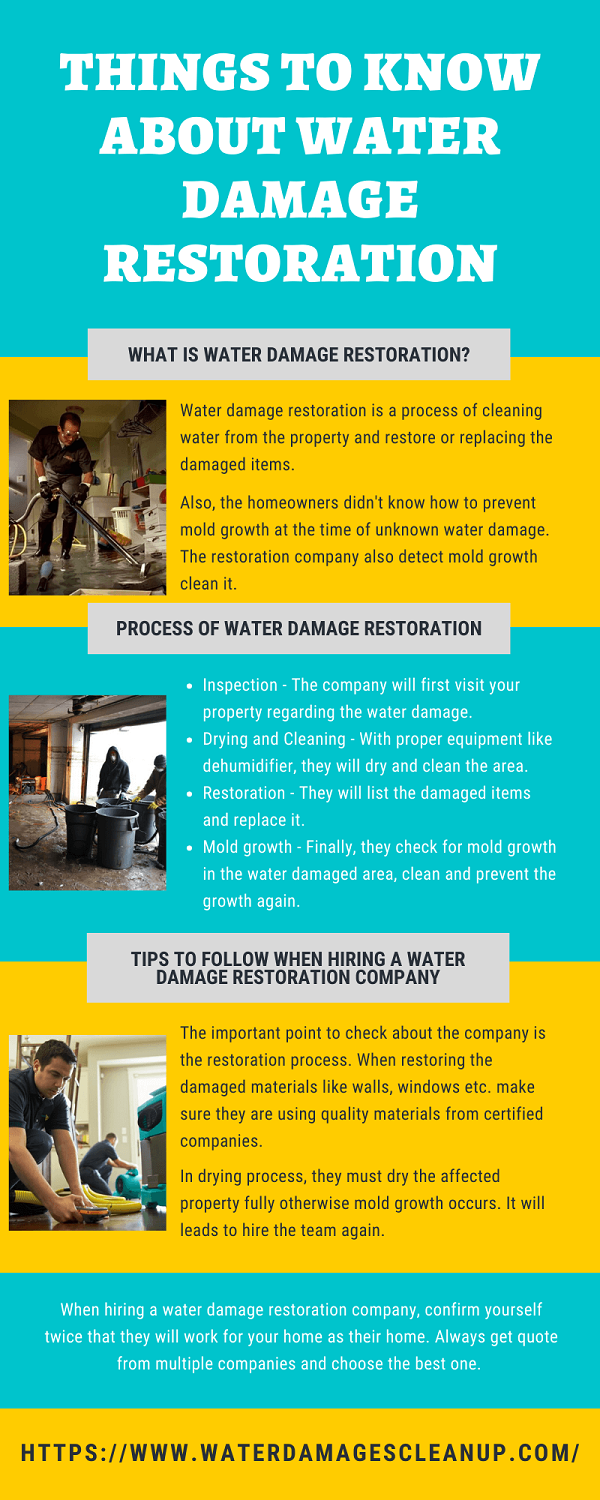
Next off, secure your home by boarding up busted windows and doors to stop burglary or further damage. If there's water damage from firefighting efforts, address it swiftly to stop mold and mildew growth.
Ultimately, document any visible damages for future reference and connect with experts who can assist in the restoration process.
Exactly How to Document Fire Damage for Insurance restoration
How do you guarantee you record all the necessary information of fire damage for your insurance coverage claim?
Begin by taking extensive photographs of the damages, focusing on both the large image and specific areas of issue.
See to it to document any harmed individual items, including their approximated value.
Create a thorough inventory list, noting the problem of each product and its substitute price.
Ideally, gather receipts or acquisition files for high-value products.
Do not forget to tape-record the day and time of the fire, along with any conversations with firemans or emergency situation responders.
Last but not least, keep a record of any type of momentary repair work you make to avoid further damage, as this can sustain your insurance claim.
Effective Interaction Strategies for Insurance Coverage Claims
Once you've recorded all the fire damage for your insurance policy claim, it's time to focus on efficient communication with your insurance supplier.
Beginning by maintaining an in-depth record of all your discussions. Keep in mind dates, names, and any kind of commitments made. Use mold certification , succinct language when describing your situation; stay clear of lingo that can confuse your cases insurer.
Do not wait to ask inquiries if something isn't clear. Regular follow-ups can likewise keep your claim moving on-- established tips to check in weekly.
If you experience problems, stay calm and assertive, sharing your issues directly.
Finally, stay organized by maintaining all related records in one place, making it simpler to reference when needed. This aggressive technique can significantly enhance your claims experience.
Final thought
In the after-effects of a fire, focusing on security and quick action can make all the distinction. By documenting damage thoroughly and keeping clear interaction with your insurance policy carrier, you can navigate the repair procedure a lot more efficiently. Bear in mind to resolve any water damages quickly to prevent mold development. Complying with these steps not only helps you handle the obstacles ahead however also guarantees you're well-prepared for your insurance coverage cases. Keep organized, and you'll restore your home with confidence.